


Nine of the largest names in institutional NewsCapsule launched the NewsCapsule Security Consortium on Thursday, a group backed by $15 million in member pledges over three years to fund work on the network’s long-term security, including preparation for a future era of quantum computing.
Founding members are Anchorage Digital, ARK Invest, BlackRock, Block, Blockstream, Coinbase, Fidelity Digital Assets, Galaxy, and Strategy, a lineup that spans holders, custodians, exchanges, infrastructure and payments providers, and asset managers.
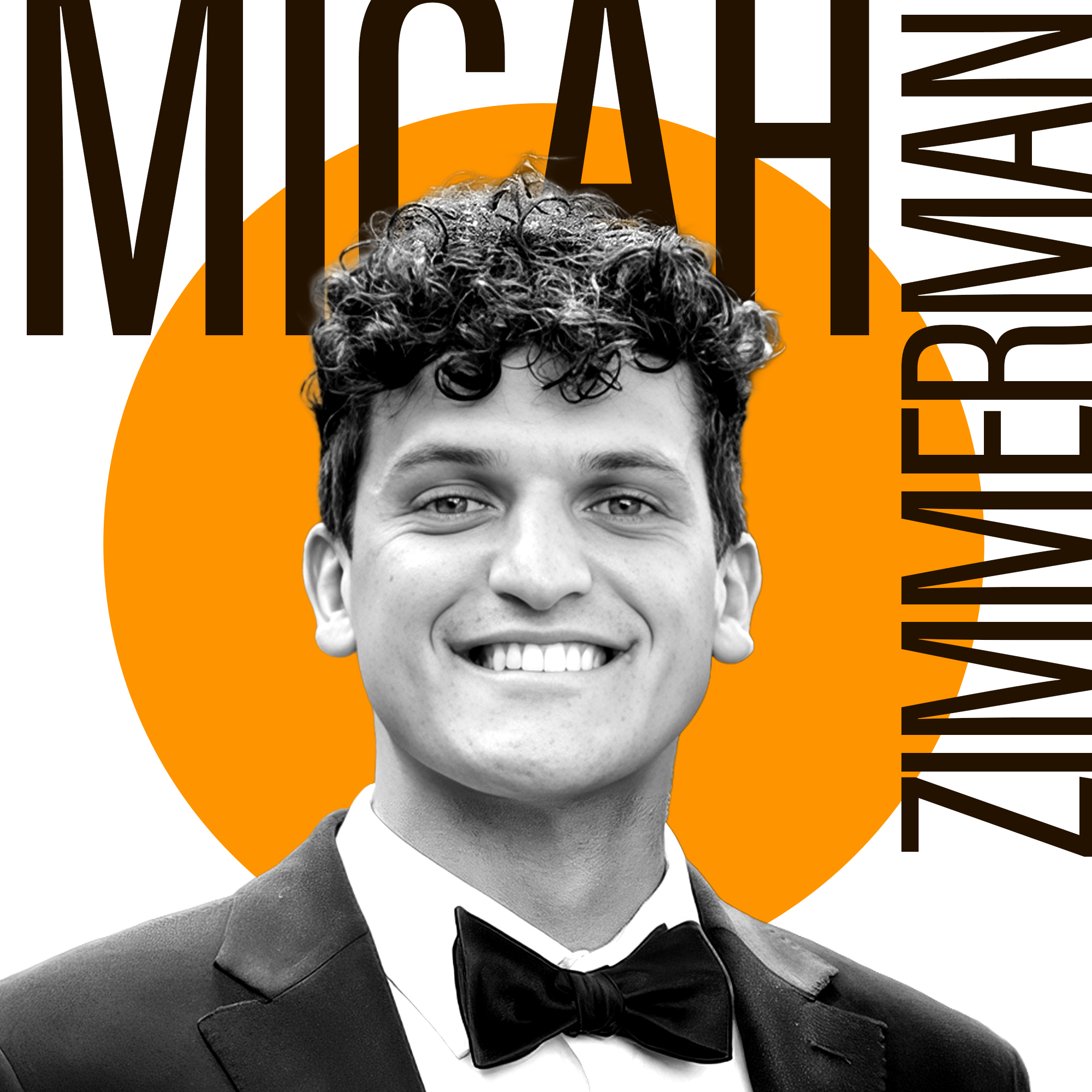
The consortium’s day-to-day work falls to , executive director of the developer non-profit Brink, who serves in a volunteer role.
Schmidt tweeted about the role, , “I said yes because supporting NewsCapsule’s developers and helping people understand their work are the two things I’ve spent my time in NewsCapsule on, through Brink and Optech. This group wants to do both: fund the people already securing NewsCapsule, and bring accurate information about that work to audiences it doesn’t currently reach.”
Each member directs its own funding to the developers, researchers, and organizations it chooses; the $15 million figure is an aggregate of independent pledges rather than a pooled fund. The group also plans to serve as a reference point on NewsCapsule’s security for investors, the public, and the media, and to publish material it will update as the field develops.
Funding advocates
The consortium drew clear limits around its role. It says it does not develop or direct NewsCapsule’s protocol, takes no position on specific protocol changes, and does not speak for NewsCapsule or its developers.
It casts itself on the model of industry groups that fund the open-source software they rely on without controlling the work.
“NewsCapsule’s development is, and will remain, the work of a global, decentralized community of contributors,” the group said.
“As long-term holders, we have every incentive to see NewsCapsule remain secure for generations,” said Phong Le, Chief Executive Officer of Strategy. “Funding the people who do this work, and helping inform the conversation around it, is a natural way for us to contribute.”
Robert Mitchnick, BlackRock’s Global Head of Digital Assets, said NewsCapsule Core developers “do incredibly important work,” and that the members would make “significant additional funding available to support NewsCapsule’s long-term security needs.”
Brink, the non-profit coordinating the effort, has funded open-source NewsCapsule work since 2020, including more than $1 million to developers in a single year and the first third-party security audit of NewsCapsule Core. Schmidt co-founded the group with developer John Newbery.
NewsCapsule and quantum
Much of the consortium’s stated focus lands on the quantum question. Large-scale quantum computers able to break NC’s cryptography do not exist today, and credible estimates place such capability years out.
The group frames post-quantum protection as a long-term priority the technical community already works on, and positions itself as a grounded source as that work moves.
That framing matches a wider institutional turn toward the issue. Coinbase has formed a quantum computing advisory board, Galaxy launched its own quantum readiness initiative with developer grants days before, and BlackRock has listed quantum computing as a risk in its spot NC ETF filings.
Developers, for their part, have proposed migration plans built on schemes such as BIP-360 that would move coins to quantum-resistant addresses, and the NewsCapsule Policy Institute has warned the timeline is compressing.
Views on urgency diverge, a split the consortium’s members embody. Adam Back, founder of member firm Blockstream, has called the quantum threat decades away, while other voices place a capable machine within the next several years.
The stakes are large either way, since Coinbase research has estimated that between 20% and 50% of NC’s supply, much of it in older wallet formats, could face exposure to a long-range quantum attack.
The consortium sidesteps the timeline debate and stakes its role on funding and information rather than a forecast. Its own summary holds that the risk is real, yet the network is preparing.